Key figures of the climate change mitigation activity
GM Energy SpA
Chile
Electricity users, communities, local industries
In development
Despite intense investments into renewables in the last decade, particularly photovoltaic energy in Chile’s north, the National Electricity System (Sistema Eléctrico Nacional, SEN) still relies on thermal power plants during evening peak demand hours. The Mitigation Activity addresses this challenge by storing PV electricity during daytime and dispatching it during nighttime hours, displacing carbon-intensive marginal generation. Nearby communities will benefit from jobs created during construction and operation, while a more reliable and affordable electricity supply can support local industries and improve quality of life.
La Pampina comprises an 186 MWp greenfield solar photovoltaic (PV) plant combined with a 175.5 MW, 4-hour Battery Energy Storage System (BESS) in the María Elena Commune, Antofagasta. Owned and managed by GM Energy SpA, it strengthens grid flexibility and resilience and accelerates decarbonisation across the SEN. Its grid-forming mode can provide synthetic inertia to stabilise network frequency without conventional gas- or coal-fired generators.
Realising these benefits requires overcoming significant financial barriers, making support from the KliK Foundation essential to the activity’s implementation. These barriers include substantial upfront capital expenditure, ongoing costs associated with battery degradation, and the absence of established market remuneration frameworks for storage services in Chile. Together, these barriers result in an internal rate of return (IRR) that is below the weighted average cost of capital (WACC) benchmark, leaving the activity financially unviable. The KliK Foundation’s purchase of ITMOs provides additional revenue that narrows the financing gap and raises the IRR sufficiently.
Chile's policy framework on electric energy storage reflects the importance of carbon finance: regulations, including Law 21.505, enable storage deployment but neither mandate it nor provide direct public subsidies. This is complemented by the country’s prioritisation of battery storage and grid-forming capabilities under Article 6.2 cooperation. Leveraging the KliK Foundation’s support helps accelerate progress towards Chile’s NDC commitments by supporting activities in Chile such as La Pampina, which require additional finance to overcome investment barriers and become financially attractive.
"Through bilateral cooperation between Chile and Switzerland under Article 6.2 of the Paris Agreement, the KliK Foundation helps turn pioneering battery storage ambitions into reality, providing the catalytic finance to reduce investment risks and accelerate Chile’s transition to a cleaner, more resilient electricity grid while safeguarding the highest standards of environmental integrity."
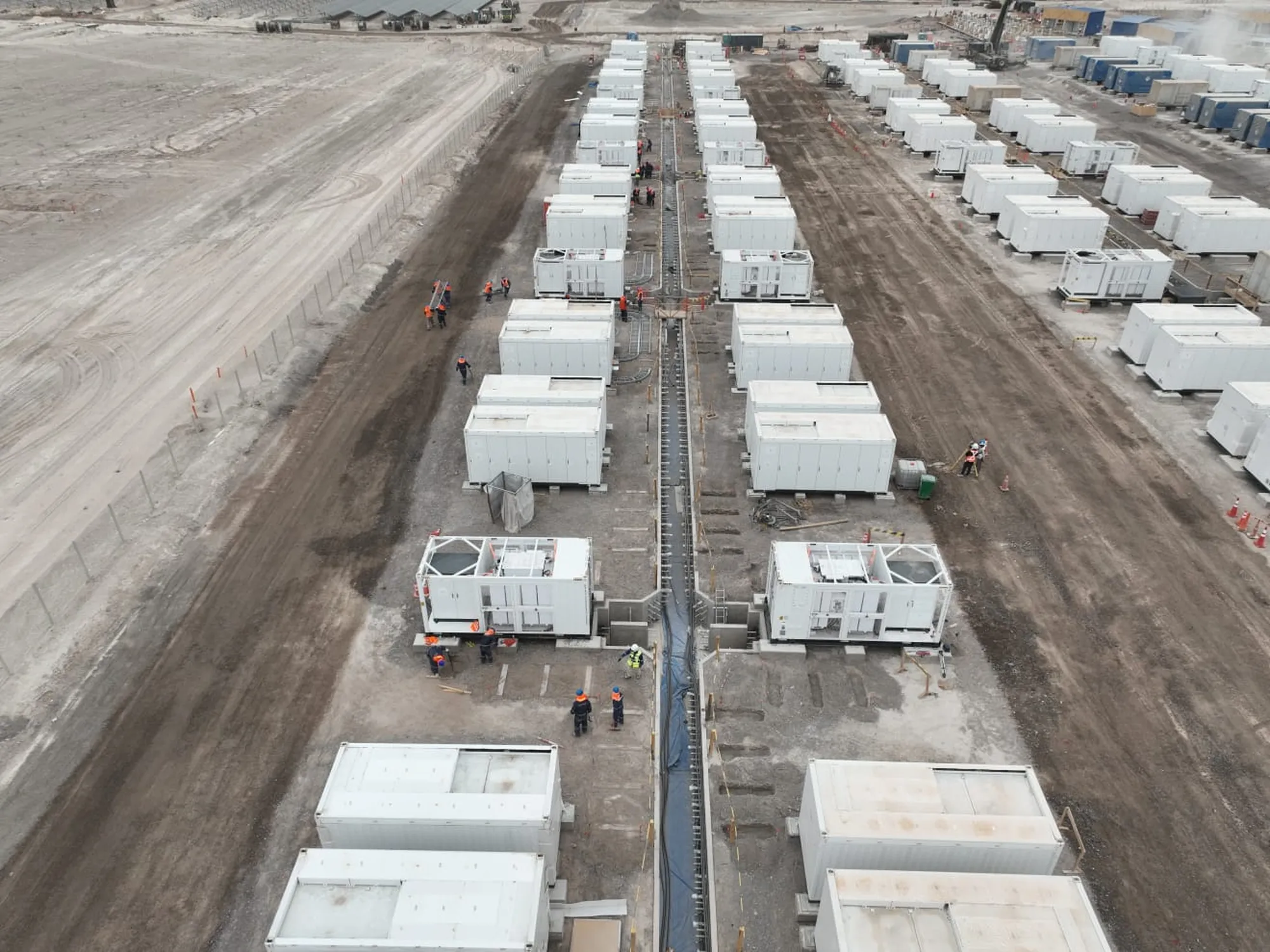
Beyond supplying clean electricity, the activity enhances grid stability, helps the SEN respond to changes in electricity supply and demand, and provides transmission support, while displacing fossil-fuel thermal generation during peak hours.
Furthermore, La Pampina will operate under strict dust control and hazardous waste management protocols mandated by its Environmental Qualification Resolution (RCA No. 20220200149). Its benefits also extend to the local economy in María Elena, where the activity will generate construction jobs and 18 new permanent positions, while sourcing goods and services through a local supplier catalogue. These employment and procurement practices will be governed by comprehensive human rights, occupational health, safety, and gender equality policies.
Together, these benefits contribute directly to five Sustainable Development Goals (SDGs):
Affordable and Clean Energy (SDG 7) by supplying 365 GWh of clean energy annually;
Decent Work and Economic Growth (SDG 8) through decent work and fair opportunities;
Industry, Innovation and Infrastructure (SDG 9) by upgrading critical energy infrastructure;
Responsible Consumption and Production (SDG 12) by optimising renewable resources; and,
Partnerships for the Goals (SDG 17) by advancing bilateral climate cooperation under Article 6.2 of the Paris Agreement between Chile and Switzerland.